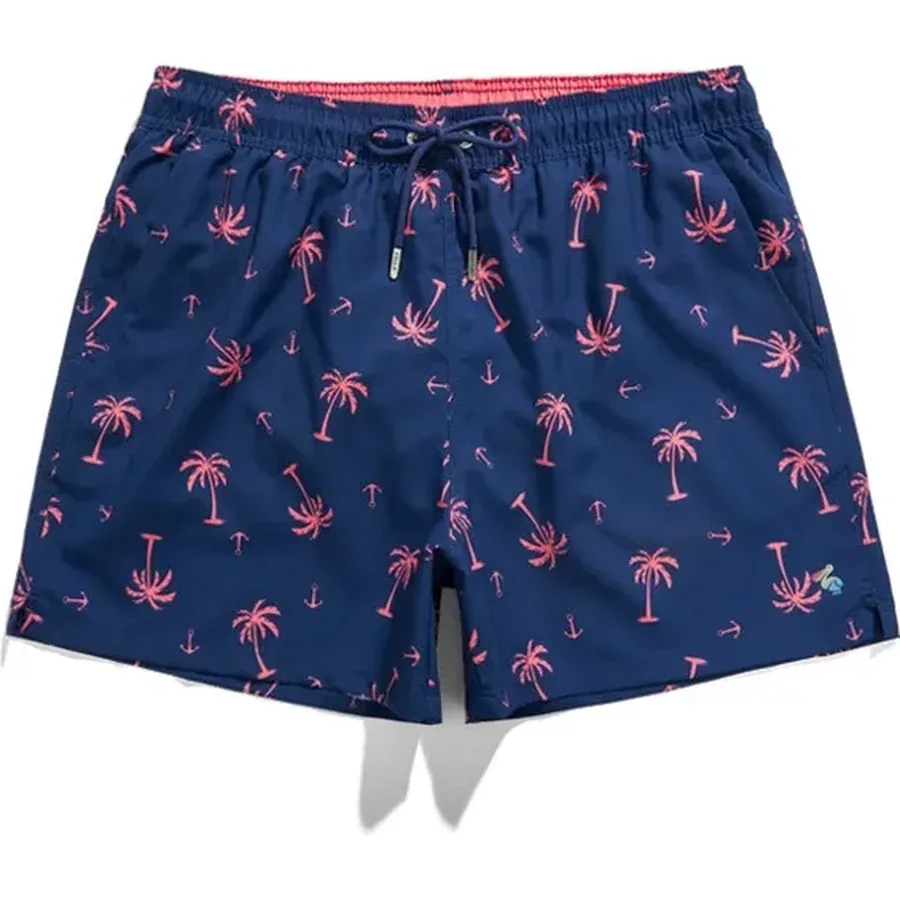
Why Chlorine-Resistant Fabric Matters in Boardshorts & Swim Shorts
Published: 2025-06-17 · Last updated: 2026-09-03
Short answer: chlorine degrades ordinary swim fabric — it fades colour and weakens stretch — so any short sold for regular pool use should be made from a chlorine-resistant polyester or nylon blend, ideally in a dark or saturated colour. It costs a little more, but it cuts fading and returns on pool-heavy product.
If you are building a swim line, chlorine resistance is one of the most important fabric qualities to decide on before you choose colours or prints. Pool water is tough on swimwear: over repeated sessions it breaks down fibres, dulls colour and shortens the life of a garment. Chlorine-resistant fabric is engineered to hold up. Here is what it means, what to specify, and why it is a genuine selling point.
What Does Chlorine Resistance Mean?
Chlorine-resistant fabric is engineered to withstand chlorinated pool water. A standard swim fabric slowly degrades, loses elasticity and fades; a chlorine-resistant blend holds its colour, shape and stretch far longer. In practice that means a product that still looks good after a season of swimming — better value for the customer and fewer quality complaints and returns for you.
The difference comes down to the base fibre and how the yarn is engineered. Some fibres are inherently more resistant than others, and the finish applied at the mill adds to the effect.
Which Fabrics Resist Chlorine Best
| PBT polyester | Best-in-class chlorine and stretch resistance; premium choice for training and pool swim |
|---|---|
| Chlorine-resistant polyester | Strong resistance at a lower cost; the practical default for pool-first ranges |
| Nylon + spandex | Soft and premium; choose a chlorine-resistant grade for pool use |
| Standard polyester-spandex | Fine for holiday and resort wear; fades fastest under heavy chlorine |
| Typical build | Around 88–90% polyester or nylon with 10–12% spandex for stretch |
Colour Matters as Much as Fabric
Chlorine is a bleach, so it attacks light colours first. Dark, saturated and printed colourways hold up best; white, pastel and pale tones fade or yellow soonest. If a style is aimed at training and pool swimmers, steer the colourway dark. Reserve pale and pastel shades for holiday, resort and lifestyle product where the fabric sees less chlorine. This single decision prevents more complaints than any other.
Why It Matters for Your Brand
- Longer-lasting product — fabric and colour hold up through repeated pool use.
- Better customer experience — the shorts look and fit well for longer.
- Fewer returns — durable product reduces quality complaints.
- A selling point — chlorine resistance is a feature swimmers actively search for.
- Clear positioning — "chlorine resistant" tells a swim-first customer the product is built for them.
What to Specify to Your Factory
- Base fibre and build — name the fibre (PBT or chlorine-resistant polyester/nylon) and the spandex percentage.
- Weight — typically 100–160 gsm for boardshorts and swim shorts.
- Colourway — dark or saturated for pool-first styles.
- Test reports — ask for the mill's chlorine-resistance test data before you commit.
- A pre-production sample — confirm stretch, colour and hand on a real sample, not a swatch.
Other Qualities to Look For
Alongside chlorine resistance, quality swim fabric should offer quick-dry performance, breathability, four-way stretch where the product needs to move, and often UPF sun protection. Together these create a short that is comfortable, durable and easy to sell. See our boardshorts fabric guide for how these features combine, and the GSM and stretch guide for choosing a weight.
Building a Chlorine-Resistant Range
We manufacture boardshorts, swim trunks and swim shorts in chlorine-resistant polyester and nylon blends, in the lengths, waistbands, liners, prints and branding you choose. Every style is made to your own design with low MOQ, and we can supply fabric test reports for your market. See the men's swim trunks range for styles that suit pool and training use.
Frequently Asked Questions
PBT polyester and chlorine-resistant polyester or nylon blends hold up best; standard polyester-spandex fades and loses stretch fastest in pool water.
Yes. Dark, saturated and printed colours resist chlorine fading best. White, pastel and pale colours show fading and yellowing first, so they suit holiday and resort lines more than training swim.
Ask for the fabric supplier's chlorine-resistance test report and check it on a pre-production sample. We can supply fabric test reports for your market.
It usually costs a little more than standard swim fabric, but it reduces fading and returns on pool-heavy product. The exact difference depends on the base fibre and weight.
Training and pool swim, swim trunks, boardshorts and any style sold to swimming-intensive customers. Resort styles can often use standard quick-dry fabric.
Ready to Produce Your Own Boardshorts?
Tell us your design, target market and quantity — we will help you plan production with flexible MOQ.
Get a Free Quote